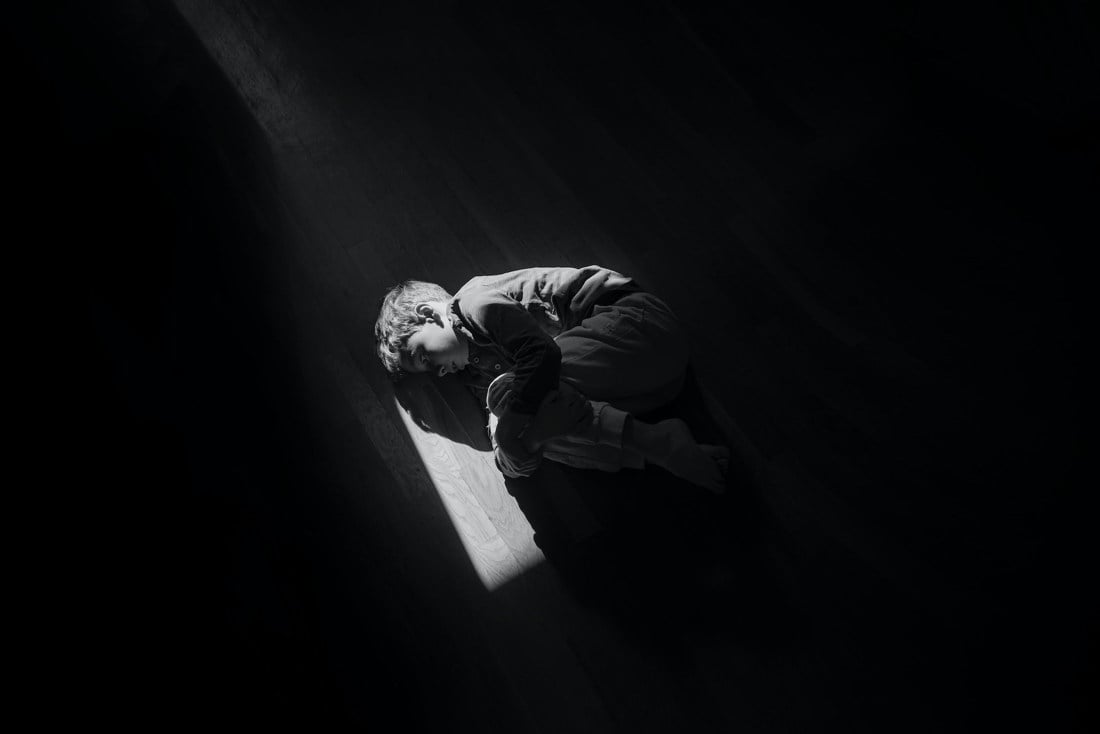
Adult men struggle in many ways due to
being unloved as a child. These issues can range from minor to completely unbearable, adding anxiety and toxic behavior to the ordinary stressors of life.
There are many forms of childhood mistreatment, including physical and mental abuse. However, it doesn’t seem like we’ve analyzed childhood neglect properly.
Neglect can be intentional and unintentional. First off, you could be a man who experience neglect as a child, but it was only due to the immature parenting and selfishness of your family. Then again, you could have experienced intentional neglect and a lack of basic love.
Unloved sons and their difficulties
Being unloved as a child can be devastating in adulthood. Relationships, jobs, and friends can all be affected by your past. It’s important to understand where certain feelings come from – your roots – but it is also important to recognize the cause of your present struggles. So, what are some struggles that unloved sons deal with in adulthood?
1. Drawn to toxicity
Unloved sons struggle with
toxic relationships in adulthood. You see, they subconsciously seek out unhealthy partnerships because they are familiar with the traits exhibited by the object of their affection. These traits resemble some of the same characteristics that they experienced from their caregivers in childhood.
The brain recognizes patterns and follows these patterns because it seems ‘normal’ and familiar. The brain of an unloved son matches memory with outside stimuli. In layman’s terms, men seek the same form of relationship that they had in childhood, which was also unhealthy. Until they recognize the pattern and understand its harmful, it will repeat.
2. Depression and anxiety
It’s not surprising that men with depression or anxiety have a history of
being neglected as a child. Being neglected and unloved as a child, and not healing from this, can cause severe negative feelings that lead to depression. It
can also cause unwarranted fears and anxious behaviors, as unloved sons are constantly afraid of being neglected again.
3. Trust issues
If you were an unloved son, you probably struggle with trust issues. Every time you’re asked to trust someone, it feels almost impossible to do so.
Let’s consider this: your own mother, father, or other family members couldn’t even cultivate a healthy attachment with you. And so, they couldn’t be trusted to love you unconditionally. And so, in adulthood, trusting another individual with other things can be one of the most difficult tasks in the world.
4. Codependency issues
Suffering from neglect in childhood can cause
severe codependency issues as an adult. You see, codependency is when you feel like you cannot function properly unless you’re attached to another person. And this is not a healthy attachment, it’s an obsessive type of attachment, as you’re trying to develop a strong bond that you didn’t have as a child.
Unfortunately, this attempt at bonding goes overboard creating strong codependency – you base every aspect of your life according to another person.
5. Feeling isolated
Some men choose to be alone, and that’s perfectly fine. However, there are others who isolate themselves because they believe forming bonds is impossible. This means having few to no friends,
staying away from family members, and never getting romantically involved.
It’s kind of the
opposite reaction to codependency. Instead of becoming overly attached, isolated men believe that since they were unloved in childhood, they are better off alone in adulthood. While introversion is not unhealthy, isolation can be. This is because there are different motivations and reasons behind these choices.
6. Insecurity
Due to the absence of love in childhood,
a boy’s self-esteem can drop so low that they develop narcissistic behaviors well before adulthood. This continues to develop into a false sense of security. This faux security serves as a mask to cover true insecurities developed from neglect. This type of insecurity can manifest in lying, anger, and deception, causing problems at work and in relationships.
7. Fear of failure
When sons are unloved, they grow up feeling like they’ve failed their families. So, to avoid further failures, they tend to exhibit strange traits.
Fear of failure, when it comes to men, manifests as ‘playing it safe’, where instead of taking risks, these individuals only do what’s easy.
Fear of failure also manifests in ‘
shifting of blame’, where they are never willing to take responsibility for their actions or mistakes. A man who suffered from neglect feels that if he admits to making a mistake, he will be unloved again. This cannot happen.
Unloved sons can become unloved men
Unfortunately, the struggles of adult men who were neglected as children can hurt them in permanent ways. Personality disorders are
common results of childhood trauma, and these disorders can further isolate men from others.
The negative traits that arise from some of these struggles can drive others away and cause monumental damage. Adults who do not seek help for these issues will believe their own lies and decline rapidly as a result of their struggles.
If caught in childhood,
the scars of neglect can be reversed. Just keep in mind, that the longer a son goes unloved, the more likely the man will become intolerable and miserable in adulthood.